First of all, it is a calling, not a job.
It is such a privilege to get to know plants in such intricate detail. To know their seed by shape, scent and feel. To recognise their cotyledons as they first emerge from the soil, then watch their first true leaves unfold. To see them grow into their full glory, burst into flower, produce seed, and patiently watch the long process of those seeds maturing.
To witness all of that lushness, vitality and beauty gradually being distilled into one small packet of magic and data that we simply call a seed.
It truly is a journey. One that invites you to observe a plant with extraordinary attention and detail.
Over the years, we have trialled and saved seed from a wide range of crops (over 200). It is always enthusiasm that begins a project, but ultimately it is the environment, the weather, the resilience of the plants and nature herself that shape the final selection.
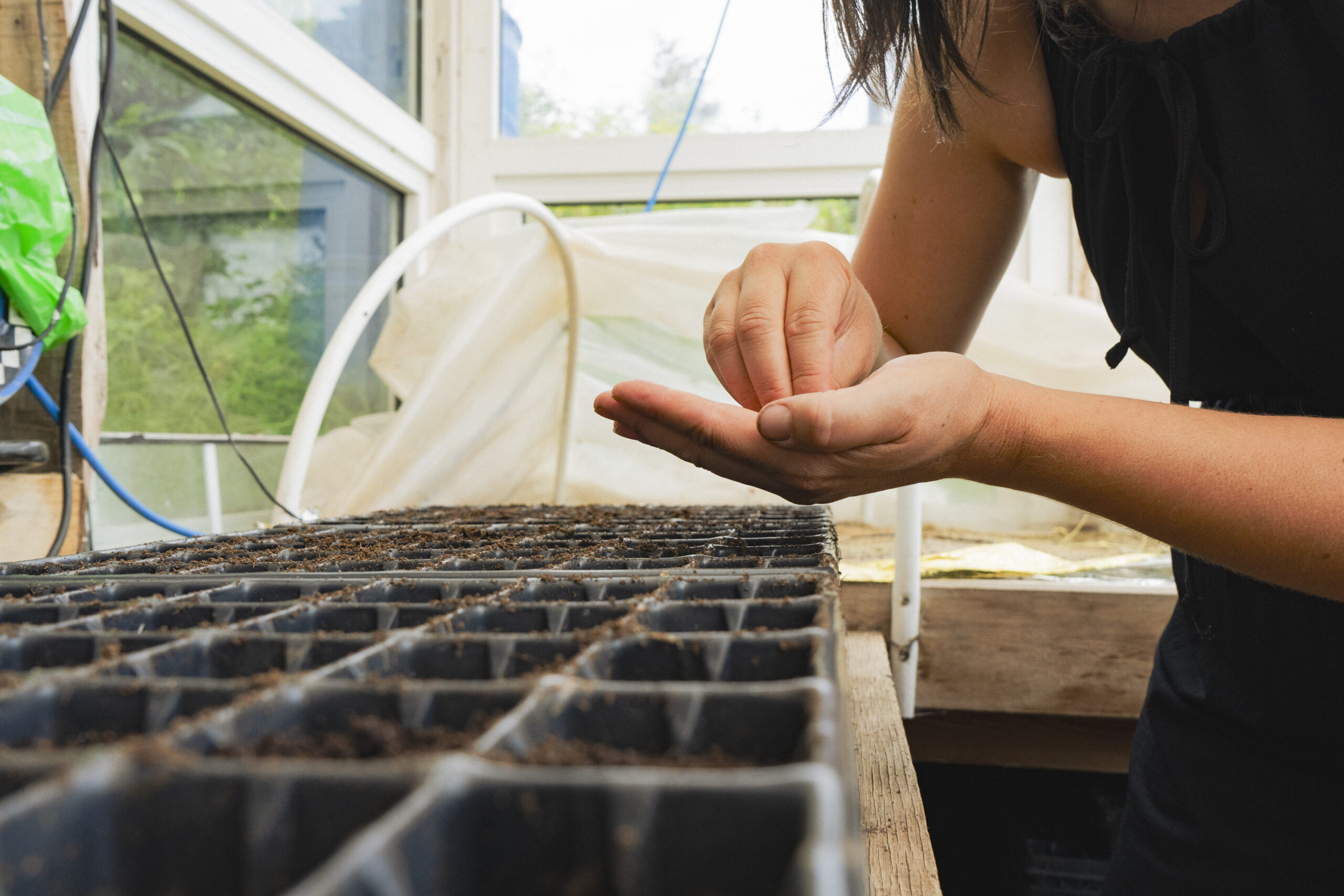
I am simply an observer of it all, and perhaps a medium between plants and people.
Here is a glimpse into some of the projects we have going on.
The Onion Family (Amaryllidaceae)
We have chosen 12 heirloom onion varieties, from which we have selected the very best representatives of each variety based on vigour, health and, most importantly, keeping quality. This year they are all flowering together and cross-pollinating in the hope of producing a Northwest Ireland onion landrace.
I have been hugely inspired by the story of the old Irish Buan onion. The thought that gardeners before us selected and adapted onions to Irish conditions reminds me that this work has always been happening. We are simply continuing that story.

The Brassicas (Brassicaceae)
This year we are also allowing A Pied Court de Plainpalais and the remarkable Gortahork Cabbage to cross.
The hope is to bring some of the delicate flavour of A Pied Court de Plainpalais into the gigantic Gortahork cabbage while retaining its impressive size and resilience.
The story of the Gortahork cabbage is astonishing in itself, but sadly the strain has suffered from inbreeding depression. The plants have gradually become weaker, and I believe that introducing fresh genetic diversity through carefully considered crossing is one way of helping preserve it and bring it forth in a new form.
We may lose some characteristics along the way, but nature has always worked through adaptation rather than perfection. Personally, I believe that breeding new open-pollinated varieties from existing heritage varieties offers a far more resilient future than relying solely on genetically uniform F1 hybrids or genetically modified crops.
The Nightshade Family (Solanaceae)
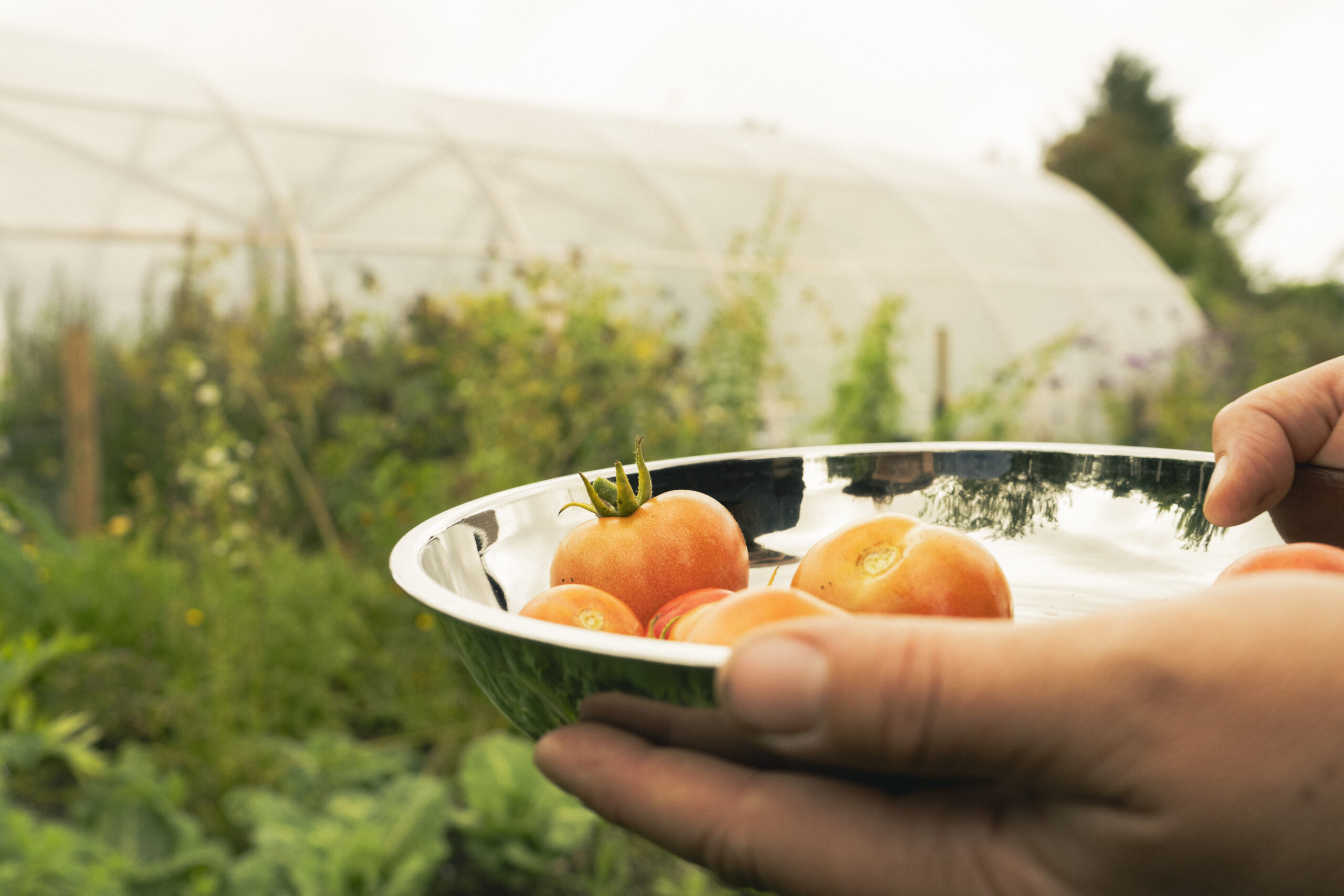
We maintain a large collection of open-pollinated tomatoes, chillies and peppers, with a particular focus on heirloom varieties that perform well in the Irish climate.
We were delighted to participate in outdoor tomato trials organised through the Gaia Foundation, demonstrating that tomatoes can indeed be grown successfully outdoors in Ireland.
Although the trial was successful, I personally felt that flavour was compromised. To me, flavour is every bit as important as yield.
There is little point in producing food abundantly if it no longer brings joy to the table.
The Cucurbits (Cucurbitaceae)
Each year our cucurbit collection grows a little larger.
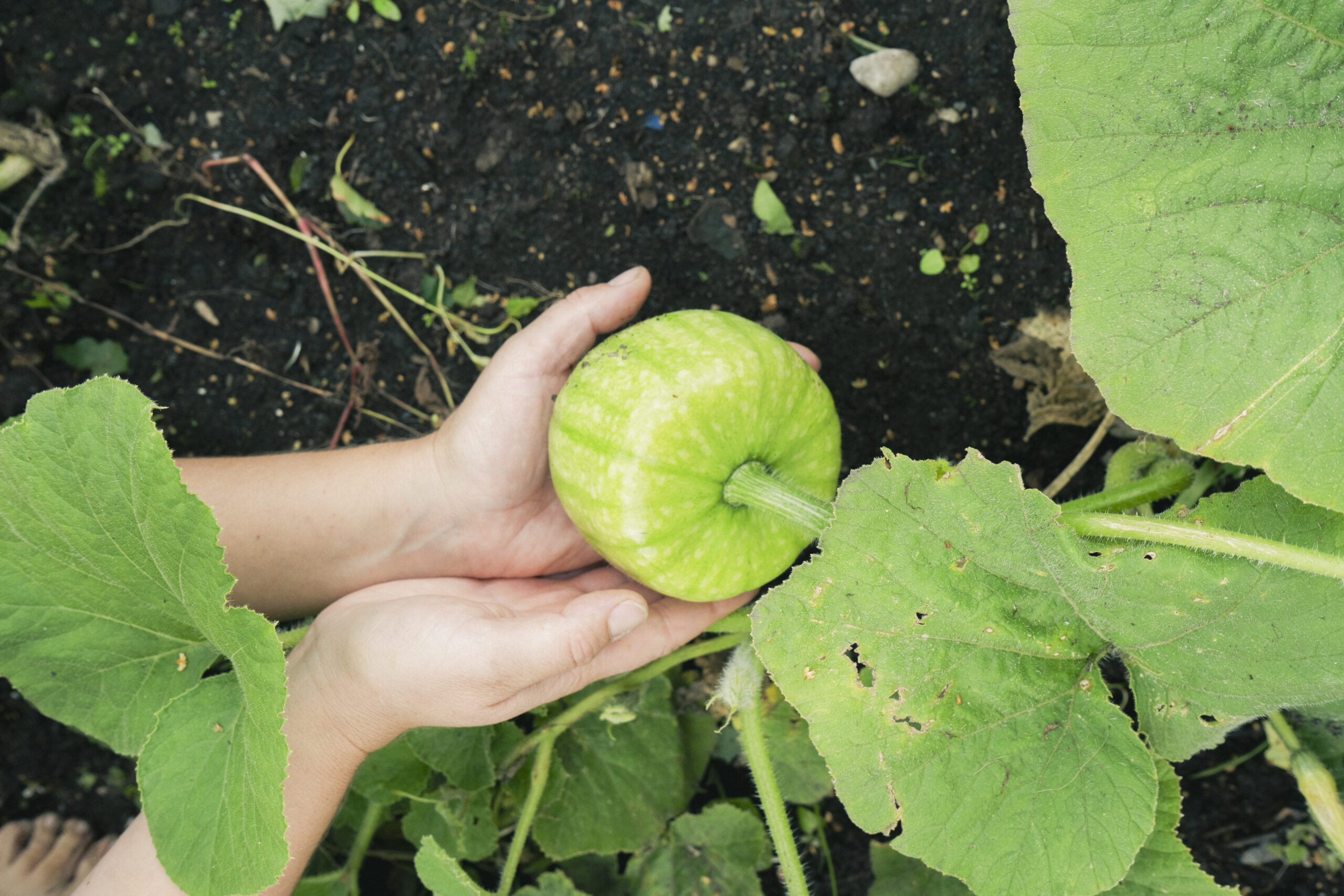
Squashes and pumpkins have gradually become staple foods in our kitchen because they store exceptionally well, are wonderfully nutrient-dense, and are among the easiest vegetables to digest.
This season we are allowing several Cucurbita pepo varieties to cross naturally, alongside selected maxima and moschata varieties.
Perhaps the project I am most excited about is the Styrian pumpkin—often called the pumpkin seed pumpkin. Our immediate goal is simply to bulk up enough seed to begin larger outdoor trials and explore whether pumpkin seed production could become a realistic crop for Ireland.
The Carrot Family (Apiaceae)
Within this family we continue to keep and provide seed of dill, parsley, celery and one project that has become particularly close to my heart: our own carrot breeding programme.
This year the population has reached its F3 generation.
That means there are probably another ten years of patient observation and selection before it becomes a stable variety worthy of naming.
As you can probably tell, we are very much playing the long game.
This is only a glimpse into some of the work taking place here.
Producing viable seed that is then shared through our Seed Library in the Termon Complex in Pettigo. Whether maintaining a variety true to type, developing a new landrace or beginning a breeding project, it takes time, patience, energy and extraordinary attention to detail.
So why do we even bother?
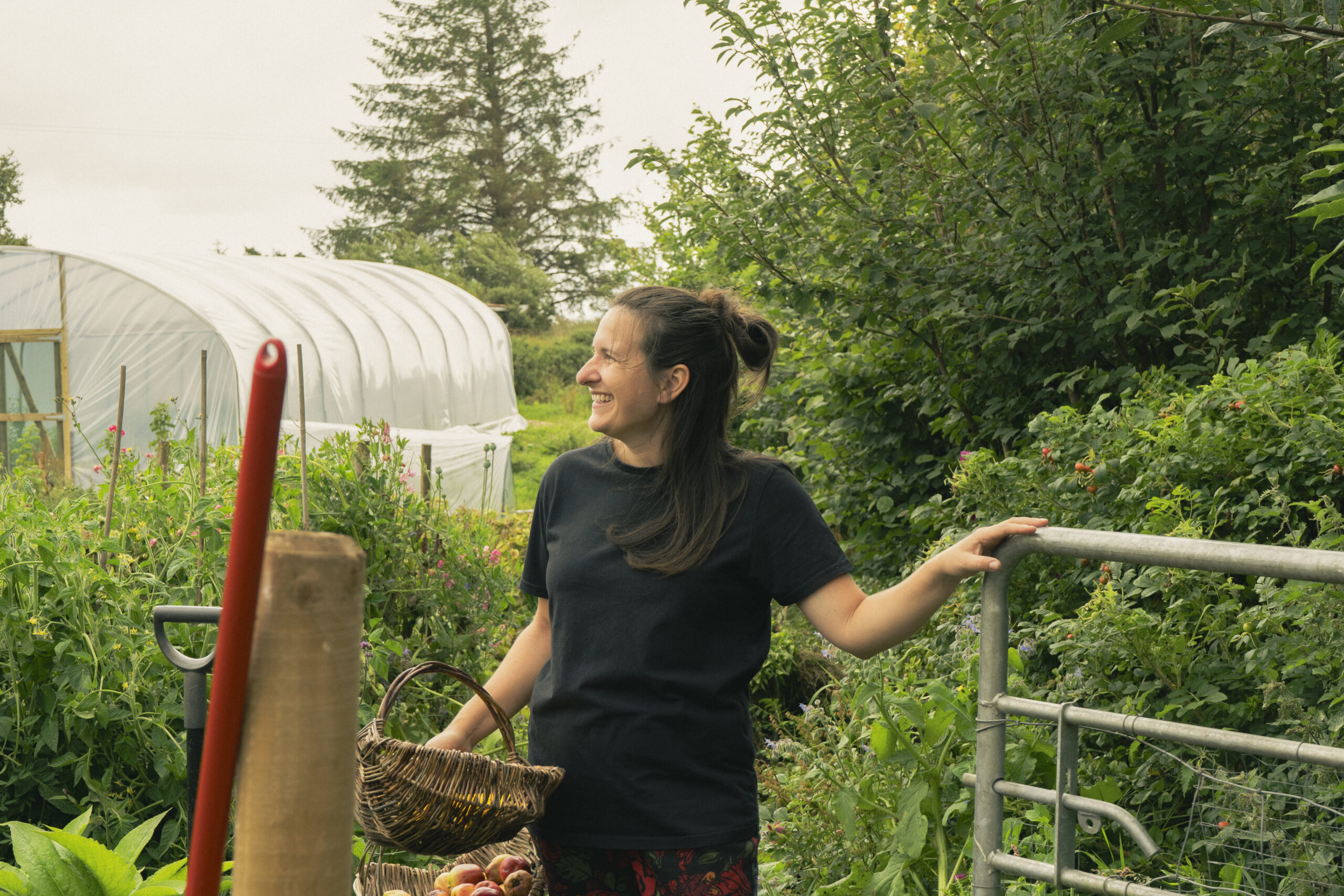
Because food is the foundation of our health.
Just as you wouldn’t put diesel into a petrol engine, perhaps we should become far more conscious of what we ask our own bodies to run on.
People often ask me about herbs for various ailments and symptoms. Yet so often I find myself returning to the same conversation.
Food.
Real food.
On top of stress and the emotional burdens we all carry, the quality of what we eat plays an enormous role in our health.
That is why I find it impossible to talk about herbal medicine without also talking about food, seeds and how they are grown.
Especially today, when genuinely nourishing food is slowly becoming a luxury, while ingredient lists become longer, harder to pronounce and increasingly disconnected from anything that resembles nature.
We truly are what we eat.
So why not choose food that has nourished humanity for thousands of years?
Food grown close to home.
Food adapted to the place where it grows.
Food cared for by generations of gardeners who passed on not only seeds, but stories, recipes, culture and medicine.
Life is wonderfully complex.
Plants are wonderfully complex.
So are we.
My dream is simple.
That every family has affordable access to real food.
That every community has a place to garden together.
That people reconnect with soil, plants and with one another in ways that feel deeply human.
Because perhaps growing food has never really been about food alone.
