I have had the great pleasure of learning from such a passionate seed producer and guardian as Tristan! His joy and enthusiasm about the plant kingdom were so true and radiant that it was undeniable to recognise his passion.
Equally, his wife Jenny, who is a fibre-artist and revolutionary natural dye plant alchemist, transmuting plant pigments into lasting, naturally coloured garments and yarns! They are truly a power couple that I admire and get inspiration from.
They run a beautiful business, AppleOak FibreWorks, based in Tuamgraney, County Clare, Ireland, and are committed to sustainable practices and a circular-economy model. Business blends nearly two decades of Jennifer’s natural dyeing expertise with Tristan’s background in organic gardening and seed saving. Together, they cultivate dye plants and run the Natural Dyers & Growers Academy, offering both short courses and a year-long professional program. AppleOak produces naturally dyed yarns, fabrics, clothing, craft materials, dye kits, and seeds, with “little to no air miles” in their products within their studio and shop.
Land Stewardship
Tristan shared that the land he cares for is an “absolutely amazing acre of well drained land on a 5 year lease term”, as well as the smallholding around their home which wasn’t in the best shape when they started to grow their crops there, but with care and time and methods, such as “no dig”, addition of a well broken manure, hay as mulch and covering with plastic over winter, brought to a level where a good plant health and productivity is set. As well, they have a small tunnel that is serving as a propagation unit for the dye plants and another big tunnel pending installation this coming winter, which will enable processing plants on a larger scale, as well as ensuring more food crops to contribute to their family food source.
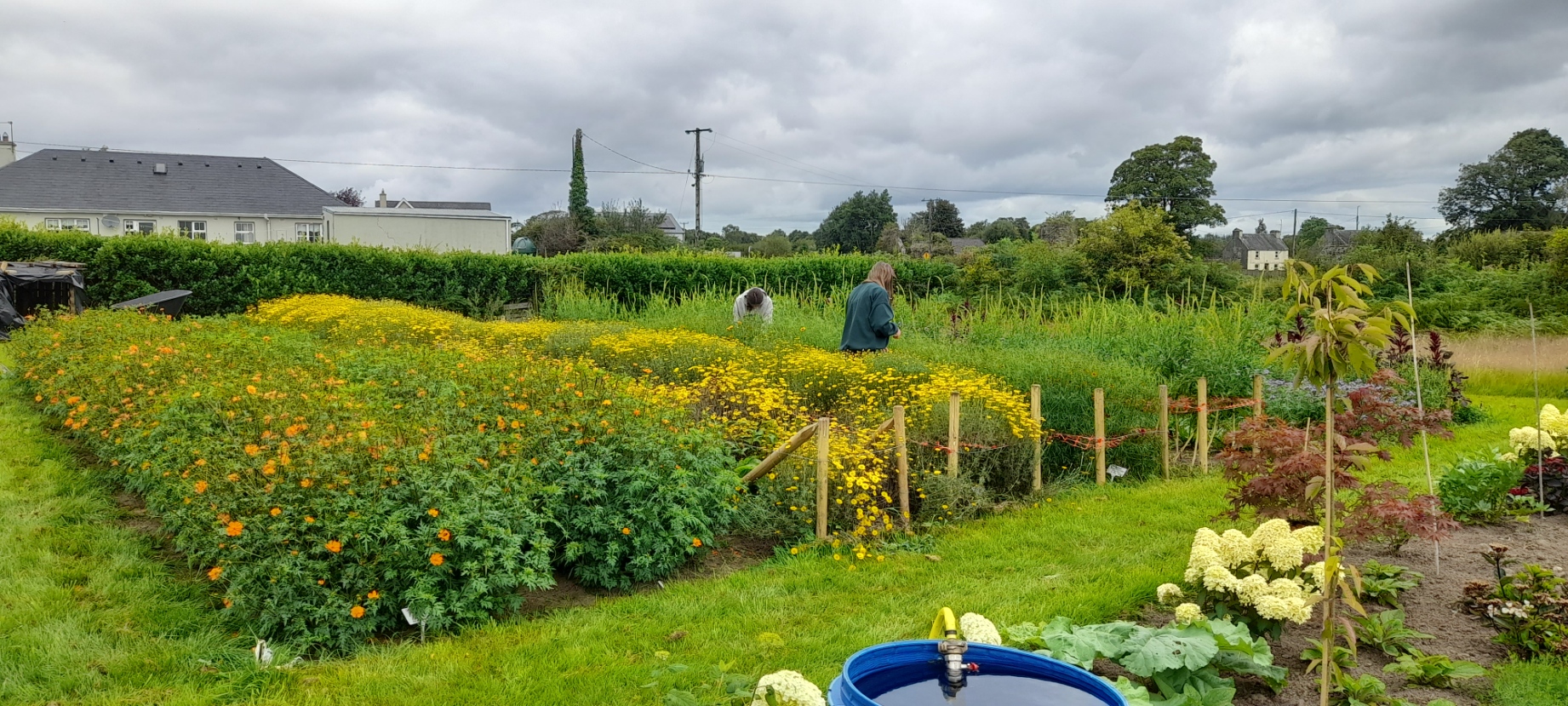
Having two separate growing plots ensures a good distance for trialling different varieties of the same crop in terms of seed saving without the risk of cross-pollination and random hybridisation, and loss of traits that could be vital to variety selection.
On the acre of land that is leased, 250m2 are under a dye plant crop this year, with specially selected varieties of dye plants.
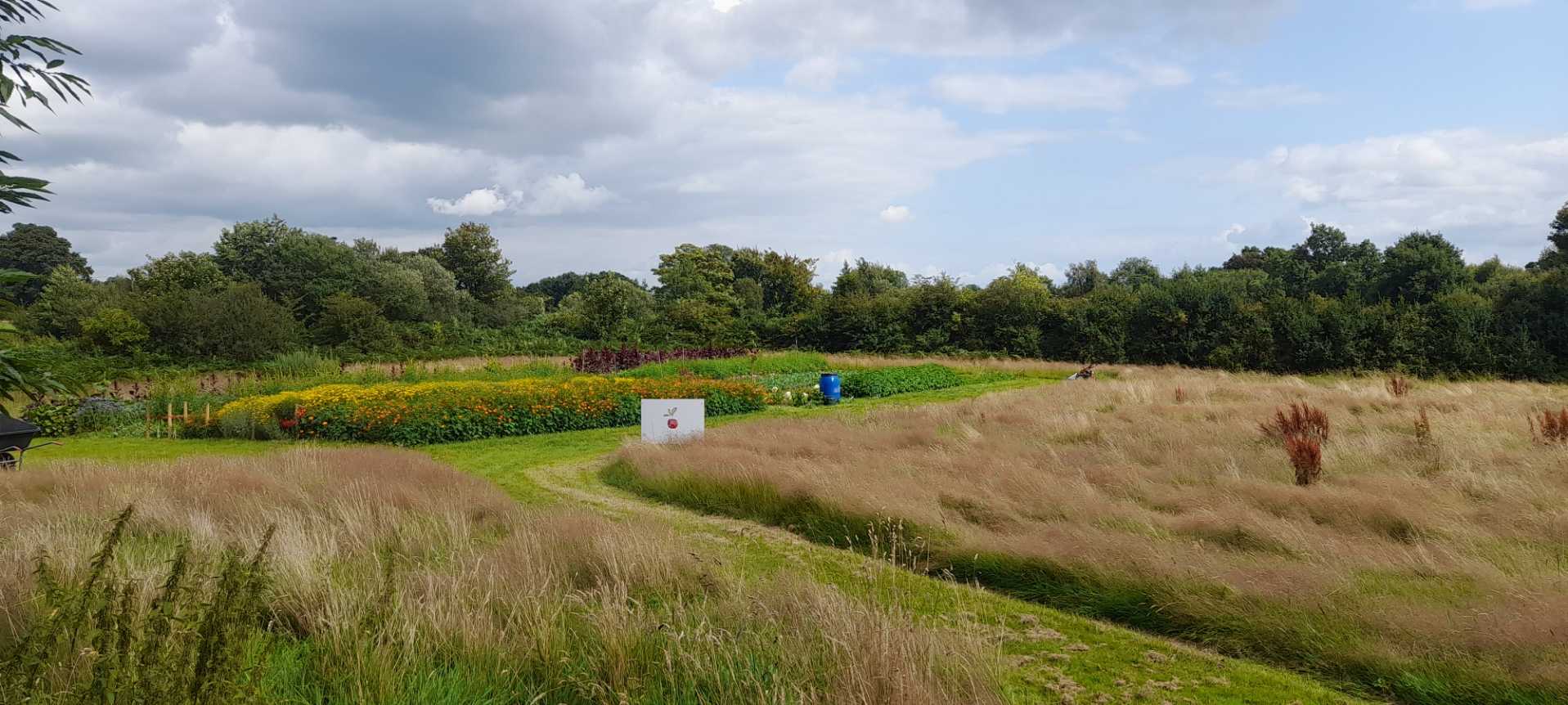
Last year, growing plots for each trialled variety were 1m2 and are now scaled up and still in “experimentation station” as Tristan called it! Before they are upscaled to field production, to ensure a bulk seed harvest of very thoroughly selected seed of premium quality and vigour.
Leased land, being well drained and dry, is presenting its own challenges and affecting certain crops with stress factors that will be taken into consideration for their further cultivation in future, on possibly a different plot.
“Though I am an old man, I am a young gardener!”
(and he is not that old yet, to be called an elder!) He shared in reflection of tending to land, and how easy it is to disrupt and affect the ecosystem and to do it, in collaboration with Mother Gaia, where every piece of living web is thriving. That is the lesson and reality for all of us, trying to grow and produce in line with the ecosystem at our hands, and co-creating with nature, understanding on a deeper level.
Seed Saving
Seed saving naturally grew on Tristan as he was a trained horticulturalist and landscape gardener in the Biodynamic philosophy. Yet it started to become more serious in 2008, when he attended a visit to Madeline McKeever of Brown Envelope Seeds for a one-day immersion into the life of a seed guardian.
It further developed and fully expanded upon Tristan’s employment with Irish Seed Savers, where he finally taught others, me included, on principles of seed saving by each plant family in order to make us scientifically sound growers and producers of high-quality seed. And what a journey it has been indeed… Many of us from that group became friends, colleagues in the world of seed stewardship, guardians and producers of seed.
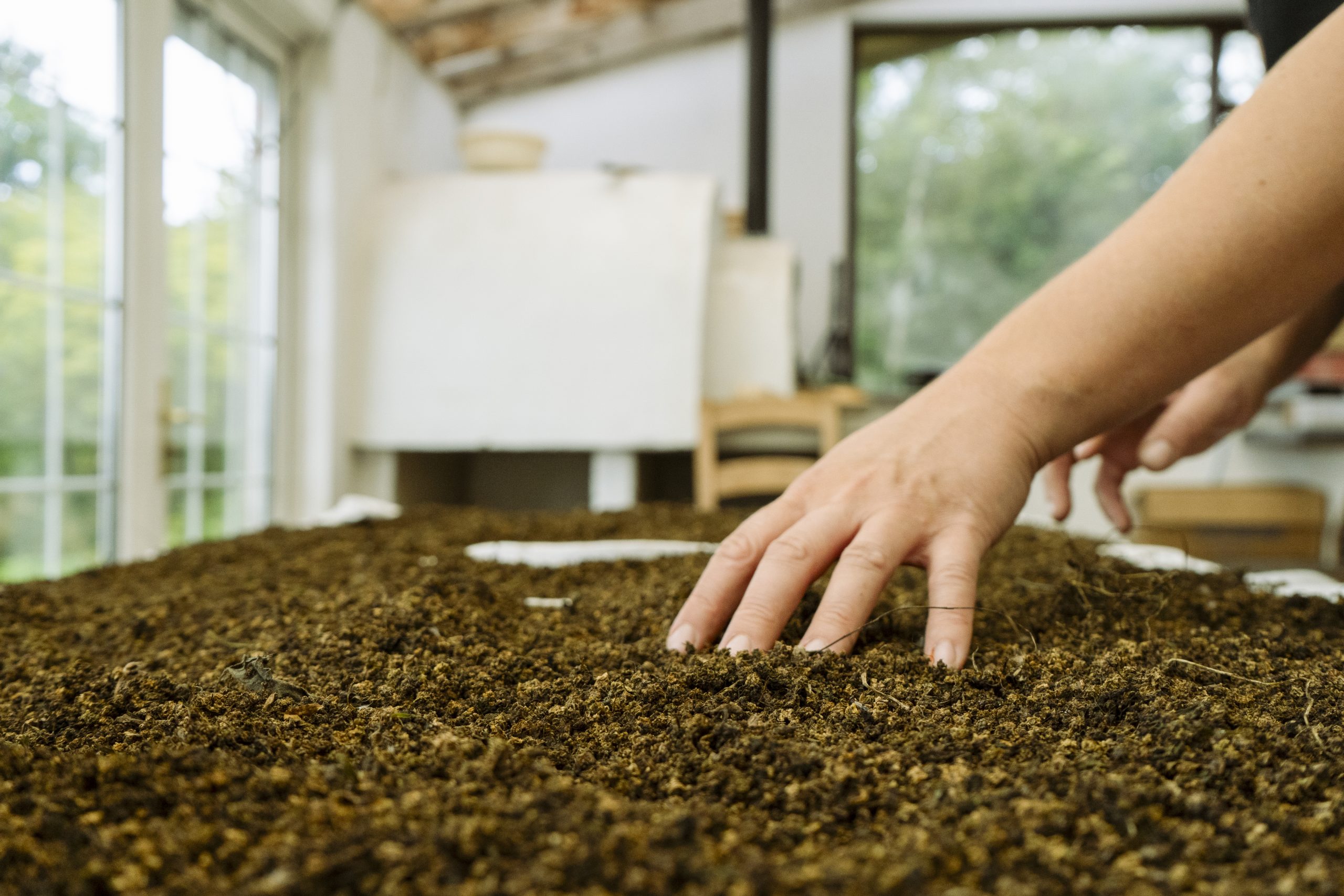
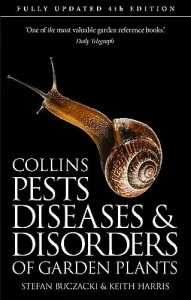
What Tristan put his attention to most while mentoring us was his minute attention to detail, in each and every process and stage of plant development and growth, as well as spotting any diseases, particularly ones that are seed-borne. Always checking that everything is as vital and vigorous as it can be all through the life cycle of the plant. Recommended reading for Pests, Diseases and Disorders of Garden Plants by Stefan Buczacki
“The seed is the beginning and ending of everything.” ~ Tristan
So, to stress that the quality and health of the seed is crucial, speaks for itself.
Tristan followed his personal steps in learning to put across in lessons and pass on all the gold that was learned through trial and error, the mother of true learning in this world. Every time a plant is grown, we go through the cycle all over again and each time we may notice another element that is contributing to it all, another little piece of information that clarifies it even more so, another little magical moment to instil into us the love of plant kin.
The biggest challenge in seed production is in disease management and understanding the life cycle of disease.
Tristan shares that he is in every step of the seeds’ journey fascinated with it!
Projects So Far and Projects to Come
‘Crowd Breeding’ Projects
Tristan is currently involved in several “Crowd Breeding” projects with the Gaia Foundation, curated by Holly Silvester. The crops trialled were broad beans and kale. During the broad bean trial, Tristan investigated the potential for cross-pollination by observing bumblebee activity. He tracked a bee moving between flowers and examined the viability of pollen on flowers it had visited. In many cases, the pollen appeared dried and inactive, suggesting those flowers had already self-pollinated. Broad beans are self-fertile and predominantly inbreeding, but insect activity, particularly from pollinators that can bore flowers before they open, still presents an opportunity for cross-pollination.
They are at the second year stage, so they are currently observing what would be called F1 generation, and certain traits are already showing recessive genes, such as purple bean colour.
For Kale, he shares that it is a much slower process as they are biennials and only this year plants will get to cross-pollinate and produce a hybrid F1 generation to grow out the following year and observe genetic traits.
The James Hutton Institute Collaboration on the ‘Dye Plants’ Research Project
The James Hutton Institute is a leading environmental and agricultural research centre in Scotland, with main sites in Dundee and Aberdeen. Formed in 2011 from the merger of two renowned institutes, it brings together over 600 scientists and specialists working on sustainable land use, crop improvement, soil and water management, and ecosystem resilience. With facilities like the Advanced Plant Growth Centre and International Barley Hub, the institute collaborates globally with governments, universities, and industry to address food security, climate change, and biodiversity challenges.
Tristan received the grant to help start up the project and investigate certain varieties and their suitability, specifically to the Irish environment, as well as pigment levels for practical application in a natural plant dye studio. He shares that having that scientific backing at certain stages was crucial to run the project in a scientifically sound way and eliminate as many errors and allow for as many possibilities of plant expression as possible.
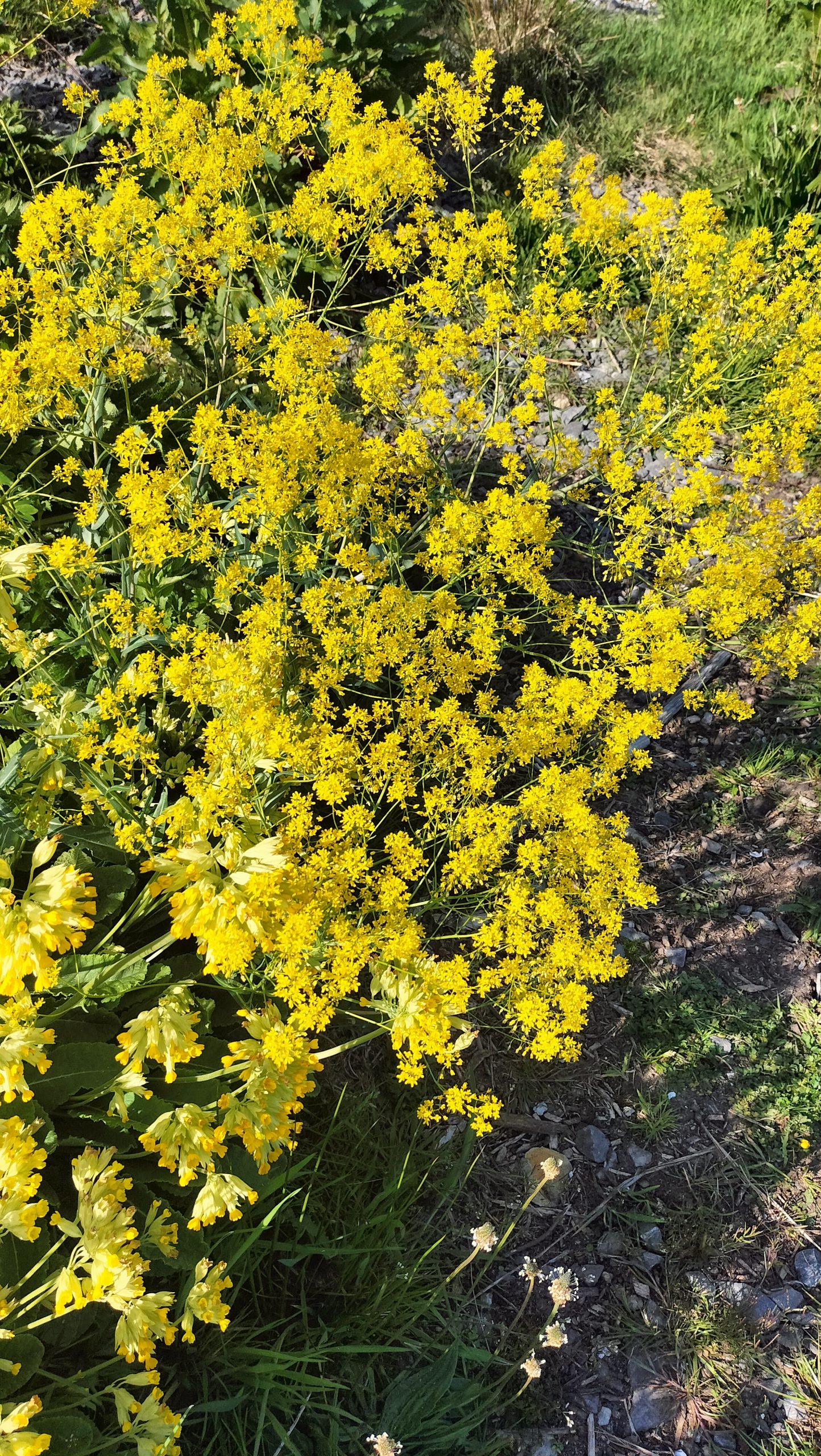
He trialled Woad (blue pigment), Weld (yellow pigment) and Madder (red pigment) for the prime colours and then with some experimentation you can develop secondary and tertiary colours from these three.
The main goals were:
- Colour/pigment content
- Productivity
- Suitability for seed saving in Ireland
21 varieties of Woad were trialled, 11 of Weld and 7 of Madder.
Woad leaf is harvested for dye material in the first year, Weld flowers in the second or first, depending on whether it’s an annual or biennial variety, and madder in its third year of growth, as the pigment is stored in the root.
The colour test results showed that the pigments outperformed those purchased from wholesalers. But higher quality is only one reason to strive for locally grown, no-air-miles, fresh and vibrant plant material. The other, arguably more important one is the environmental. The textile industry is one of the biggest water polluters (contributing roughly 20% of global industrial wastewater). This wastewater contains complex, non-biodegradable compounds, including potential carcinogens, heavy metals, and aromatic amines, many of which persist in ecosystems and pose risks to human and aquatic health.
With more consciousness around environment, planet and human health, what Jenny and Tristan are pioneering in Ireland is groundbreaking on an International level, as a return to traditional plant dyes, and techniques producing light-fast and wash-fast dyed fabrics and yarns for humans to wear and use without the guilt of contributing to pollution of our environment and the decline in biodiversity caused by it.
When asked what the most memorable moment in the Dye Plant journey was, Tristan shared:
“Blue is just magical, another crazy journey!”
He briefly explained the chemistry of the woad pigment, known as isatan. When mixed with enzymes from the woad plant, it produces indoxyl, a volatile compound. This indoxyl then undergoes aeration (exposure to oxygen), which converts it into indigotin, the blue pigment. During this process, a blue foam appears on the surface of the dye bath. A highly alkaline substance is added to encourage the molecules to bind together, forming a dense, intensely blue lake pigment (a sludge-like precipitate).
Next, the indigo pigment is transferred into another bath where anaerobic conditions (lack of oxygen) are created. This causes the pigment to revert to a yellow-brown colour as the molecules disperse into smaller units, making them ready to bond with the fibres of the textile or yarn, such as plant fibres or wool. When the fabric is removed from the bath and exposed to air again, the molecules oxidise, and the colour instantly transforms into a vibrant blue right before your eyes!
Upcoming Conference with the European Coordination Let’s Liberate Diversity!
The European Coordination Let’s Liberate Diversity (EC-LLD) is a non-profit network of organisations across Europe dedicated to promoting agricultural biodiversity and food sovereignty. Founded in 2012, EC-LLD supports the dynamic management of seeds and cultivars through community seed banks, sustainable farming practices, and advocacy for seed autonomy. They play a key role in shaping seed policy and protecting small-scale farmers’ rights in Europe. Tristan will be part of the panel board of experts that will discuss the difference between gene bank seed production and field-scale production, and the necessary steps in between.
Advice For Growers and Enthusiasts
Familiarise yourself with three primary colours and the plants producing them: Woad, Weld and Madder, as he says, Plantes Grand Teint and familiarise yourself with good dyeing methods and techniques.
In hope for a more resilient, abundant and diverse future, Tristan recognises the importance of more people getting interested and involved in projects and stewardship of plants, land and people.
Closing Reflection
Tristan shares his love for plants, particularly in witnessing them in full bloom and the diverse insect life they support. As well as his love for French beans, particularly Mr. Ferns, a variety that he describes as the softest, non-stringy, most delicious French bean that grows well in the Irish climate.
As well as beautiful and humbling moments of observing plant growth, he equally loves seed development, from gel state to fully developed plant embryo that starts drying out, the gel turning into a food store for the embryo and forming a protective shell/coating to protect it, until it is sparked back into life, starting the journey of a life cycle all over again.
Remembering Tristan and his enthusiastic way of teaching, showing us tiny bean embryos under the microscope where we could even see leaf veins present in their perfection, is something I will never forget. It instilled the love of plants as more than need or duty, but as kin. After all, we are not all that different to them and we have so much more to learn and adapt from these beautiful beings as we stroll through the path of life in acquiring a deeper understanding of ourselves, this world and life itself.
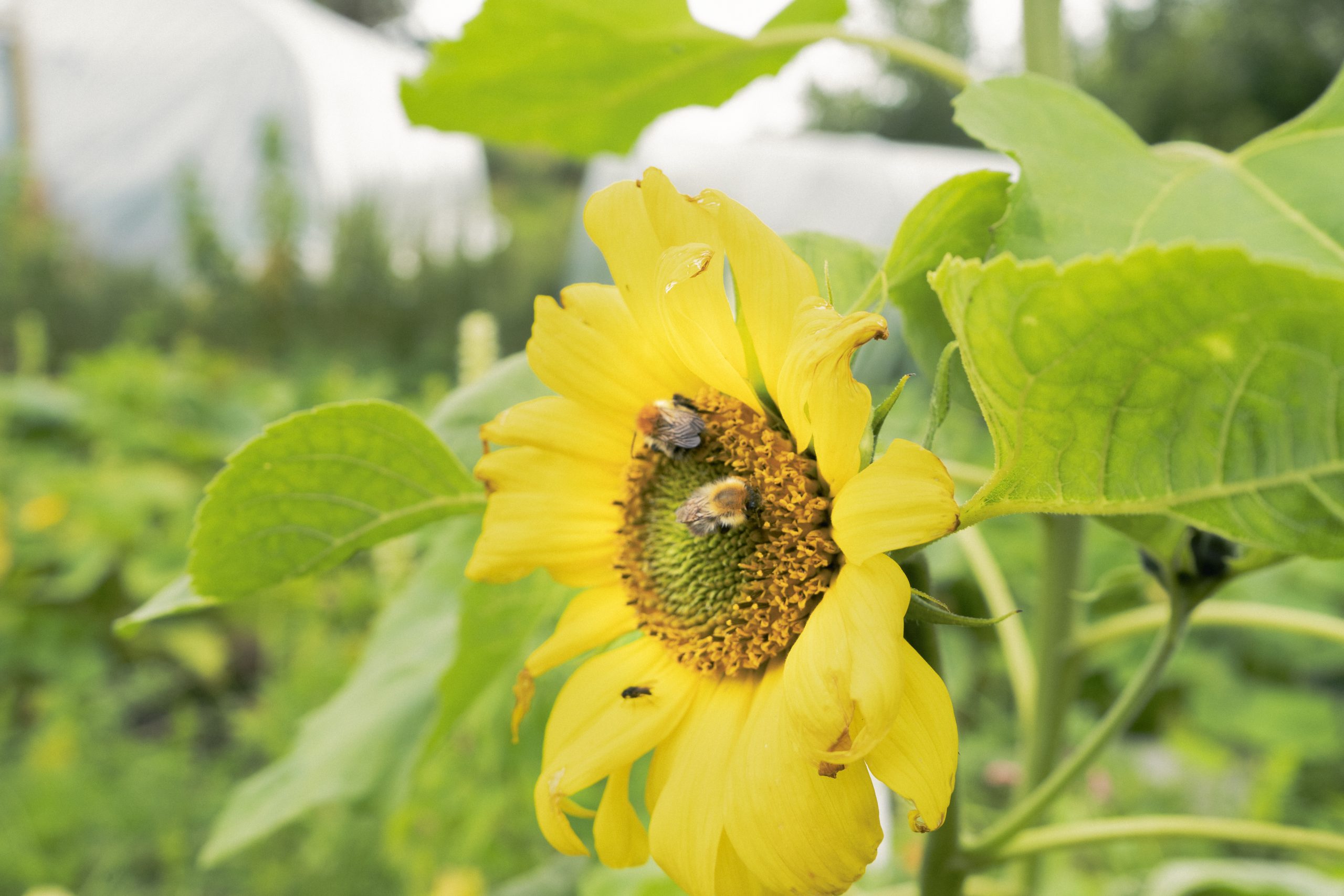
Thank you Tristan for taking your time, and thank you wonderful reader for sharing this moment with our words, I hope we’ve brought something interesting to you and that you are feeling inspired to start your own plant journey as I did, and Tristan before me, and many, many elders before, all the way back to the beginnings of time and our coexistence on this planet with plants.
